Swedish, Deep Tissue, Shiatsu,
Usui Reiki, Couples,
spiritual, holistic massage, healing
massage, natural
massage, holistic healers, healer,
ancient, ancient art,
shiatsu, massage, therapy,
therapist, licensed, LMT,
day spa, reiki, usui, grounded
energy, peaceful,
swedish massage therapy, deep
tissue massage therapy,
deep tissue massage, reflexology
massage treatment,
orlando, therapy, therapists,
casselberry, therapist, oviedo,
therapists, altamonte springs,
therapy, maitland, therapy,
winter park, orlando, winter park,
massage therapist,
therapy, massage therapist,
therapists, winter park,
craniosacral, cranial sacral, sacral,
aromatherapy,
therapy, gift certificates, florida,
therapeutic massage,
fibromyalgia love loving, esalen
massage, couples massage,
4 hands massage, four hands
massage, couples massage
therapy
Usui Reiki, Couples,
spiritual, holistic massage, healing
massage, natural
massage, holistic healers, healer,
ancient, ancient art,
shiatsu, massage, therapy,
therapist, licensed, LMT,
day spa, reiki, usui, grounded
energy, peaceful,
swedish massage therapy, deep
tissue massage therapy,
deep tissue massage, reflexology
massage treatment,
orlando, therapy, therapists,
casselberry, therapist, oviedo,
therapists, altamonte springs,
therapy, maitland, therapy,
winter park, orlando, winter park,
massage therapist,
therapy, massage therapist,
therapists, winter park,
craniosacral, cranial sacral, sacral,
aromatherapy,
therapy, gift certificates, florida,
therapeutic massage,
fibromyalgia love loving, esalen
massage, couples massage,
4 hands massage, four hands
massage, couples massage
therapy
Fascia pronounced [faw-sha] is a multi-layered matrix of tough,
fibrous connective tissue that sheaths and supports all of the
human body's organs, muscles and bones. It interconnects
the body from head to foot with a web that extends all directions
to accommodate the infinite variations in the body's muscle bulk
and movement.
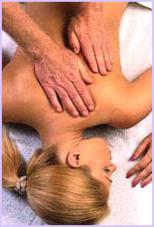
Myofascial release refers to the manual massage technique
for stretching the fascia and releasing bonds between fascia
and integument (skin) , muscles, and bones, with the goal of
eliminating pain, increasing range of motion and balancing the
body. The fascia is manupulated, directly or indirectly, allowing
the connective tissue fibers to reorganize themselves into a
more flexible, functional fashion.
Because of its poor blood supply, damaged and constricted
fascia heals very slowly. Ironically, though fascia has poor
circulation, it has a rich supply of nerve endings so that any
damage to it produces a high level of pain.
In addition to causing the fascia to shrink, repeated trauma
creates adhesions where the fascia become stuck together,
even further constricting the enwrapped muscles and organs.
Fascia is estimated to have a tensile strength of 2000 pounds
per square inch. Therefore, when damaged fascial tissue
constricts and loses its elasticity, the fascia's enormous tensile
strength can literally twist the human body out of its natural
state.
fibrous connective tissue that sheaths and supports all of the
human body's organs, muscles and bones. It interconnects
the body from head to foot with a web that extends all directions
to accommodate the infinite variations in the body's muscle bulk
and movement.
Myofascial release refers to the manual massage technique
for stretching the fascia and releasing bonds between fascia
and integument (skin) , muscles, and bones, with the goal of
eliminating pain, increasing range of motion and balancing the
body. The fascia is manupulated, directly or indirectly, allowing
the connective tissue fibers to reorganize themselves into a
more flexible, functional fashion.
Because of its poor blood supply, damaged and constricted
fascia heals very slowly. Ironically, though fascia has poor
circulation, it has a rich supply of nerve endings so that any
damage to it produces a high level of pain.
In addition to causing the fascia to shrink, repeated trauma
creates adhesions where the fascia become stuck together,
even further constricting the enwrapped muscles and organs.
Fascia is estimated to have a tensile strength of 2000 pounds
per square inch. Therefore, when damaged fascial tissue
constricts and loses its elasticity, the fascia's enormous tensile
strength can literally twist the human body out of its natural
state.


Copyright 2006-2016 Michael J. Barry


| Preferred United Healthcare Provider We accept most insurance |

| "Top 10 Massage Therapists" |


Gift Certificates
Pricing
Modalities
Jai's Original Music
About Jai
Useful Links
Events
Myofascial Release/Neuromuscular Call Today: 321-438-3726
HOME


321-438-3726. Convenient Winter Park location. pregnancy massage , prenatal massage, Swedish, neuromuscular therapy trigger point therapy myofascial release mothers day, fathers, mother's day, orlando, orlando fl, Deep Tissue,
Shiatsu, Usui Reiki, Couples, spiritual, holistic massage, healing massage, natural massage, holistic healers, healer, ancient, ancient art, shiatsu, massage, therapy, therapist, licensed, LMT, day spa, reiki, usui, energy, swedish, day
spa nail salon manicure pedicure waxing facials skincaredeep tissue, reflexology treatments, orlando, casselberry, altamonte springs, maitland, oviedo, winter springs, winter park, orlando, winter park, massage, massage therapy,
qualified massage therapist, winter park, day spa, massage therapy, experienced therapists, craniosacral massage therapist, cranial sacral therapist, craniosacral sacral therapy, aromatherapy massage therapy, massage therapy, gift
certificates, winter park florida, therapeutic massage, fibromyalgia, love, loving, esalen massage, couples massage, 4 hands, four hands 321-438-3726. Convenient Winter Park location. pregnancy massage , prenatal massage, Swedish,
mothers day, fathers, mother's day, orlando, orlando fl, Deep Tissue, Shiatsu, Usui Reiki, Couples, spiritual, holistic massage, healing massage, natural massage, holistic healers, healer, ancient, ancient art, shiatsu, massage, therapy,
therapist, licensed, LMT, day spa, reiki, usui, energy, swedish, deep tissue, reflexology treatments, orlando, casselberry, altamonte springs, maitland, oviedo, winter springs, 321-438-3726. Convenient Altamonte Springs Location.
pregnancy massage , prenatal massage, Swedish, mothers day, fathers, mother's day, orlando, orlando fl, Deep Tissue, Shiatsu, Usui Reiki, Couples, spiritual, holistic massage, healing massage, natural massage, holistic healers,
healer, ancient, ancient art, shiatsu, massage, therapy, therapist, licensed, LMT, day spa, reiki, usui, energy, swedish, deep tissue, reflexology treatments, orlando, prenatal massage, Swedish, neuromuscular therapy trigger point
therapy myofascial release mothers day, fathers, mother's day, orlando, orlando fl, Deep Tissue casselberry, altamonte springs, maitland, oviedo, winter springs, winter park, orlando, winter park, massage, massage therapy, qualified
massage therapist, winter park, day spa, massage therapy, experienced therapists, craniosacral massage therapist, cranial sacral therapist, craniosacral sacral therapy, aromatherapy massage therapy, massage therapy, gift certificates, winter
park florida, therapeutic massage, fibromyalgia, love, loving, esalen massage, couples massage, 4 hands, four hands 321-438-3726. prenatal massage, Swedish, neuromuscular therapy trigger point therapy myofascial release mothers
day, fathers, mother's day, orlando, orlando fl, Deep Tissue Convenient Winter Park location. pregnancy massage , prenatal massage, Swedish, mothers day, fathers, mother's day, orlando, orlando fl, Deep Tissue, Shiatsu, Usui Reiki,
Couples, spiritual, holistic massage, healing massage, natural massage, holistic healers, healer, ancient, ancient art, shiatsu, massage, therapy, therapist, licensed, LMT, day spa, reiki, usui, energy, swedish, deep tissue, reflexology
treatments, orlando, casselberry, altamonte springs, maitland, oviedo, winter springs, winter park, orlando, winter park, massage, massage therapy, qualified massage therapist, winter park, day spa, massage therapy, experienced
therapists, craniosacral massage therapist, cranial sacral therapist, craniosacral sacral therapy, aromatherapy massage therapy, massage therapy, gift certificates, winter park florida, therapeutic massage, fibromyalgia, love, loving, esalen
massage, couples massage, 4 hands, four hands 321-438-3726. Convenient Winter Park location. pregnancy massage , prenatal massage, Swedish, mothers day, fathers, mother's day, orlando, orlando fl, Deep Tissue, Shiatsu, Usui
Reiki, Couples, spiritual, holistic massage, healing massage, natural massage, holistic healers, healer, casselberry fl, prenatal massage, Swedish, neuromuscular therapy trigger point therapy myofascial release mothers day, fathers,
mother's day, orlando, orlando fl, Deep Tissue maitland fl orlando fl oveido fl altamonte springs fl lomgwood fl day spas nails nail salons ancient, ancient art, shiatsu, massage, therapy, therapist, licensed, LMT, day spa, reiki, usui,
energy, swedish, deep tissue, reflexology treatments, orlando, casselberry, altamonte springs, maitland, oviedo, winter springs, winter park, orlando, winter park, massage, massage therapy, qualified massage therapist, winter park, day
spa, massage therapy, experienced therapists, craniosacral massage therapist, cranial sacral therapist, craniosacral sacral therapy, aromatherapy massage therapy, massage therapy, gift certificates, winter park florida, therapeutic massage,
fibromyalgia, love, loving, esalen massage, couples massage, 4 hands, four hands 321-438-3726. prenatal massage, Swedish, neuromuscular therapy trigger point therapy myofascial release mothers day, fathers, mother's day, orlando,
orlando fl, Deep Tissue Convenient Winter Park location. pregnancy massage , prenatal massage, Swedish, mothers day, fathers, mother's day, orlando, orlando fl, Deep Tissue, Shiatsu, Usui Reiki, Couples, spiritual, holistic
massage, healing massage, natural massage, holistic healers, healer, ancient, ancient art, shiatsu, massage, therapy, therapist, licensed, LMT, day spa, reiki, usui, energy, swedish, deep tissue, reflexology treatments, orlando,
casselberry, altamonte springs, maitland, oviedo, winter springs, winter park, orlando, winter park, massage, massage therapy, qualified massage therapist, winter park, day spa, massage therapy, experienced therapists, craniosacral
massage therapist, cranial sacral therapist, craniosacral sacral therapy, aromatherapy massage therapy, massage therapy, gift certificates, winter park florida, therapeutic massage, fibromyalgia, love, loving, esalen massage, couples
massage, 4 hands, four handsaltamonte aprings, maitland, casselberry, fern park, longwood, spa finder, massage therapy, therapists, orlando, oviedo, winter aprings, nails, facials, altamonte aprings, maitland, casselberry, craniosacral
therapy fern park, craniosacral therapy longwood,craniosacral therapy spa finder, craniosacral therapy massage therapy, therapists, prenatal massage, Swedish, neuromuscular therapy trigger point therapy myofascial release mothers day,
fathers, mother's day, orlando, orlando fl, Deep Tissue craniosacral therapy orlando, craniosacral therapy oviedo, craniosacral therapy winter springs, nails, facials, craniosacral therapy altamonte springs, craniosacral therapy maitland,
craniosacral therapy casselberry, craniosacral therapy fern park, longwood, craniosacral therapy spa finder, massage therapy, therapists, orlando, oviedo, winter springs, nails, facials, Casselberry fl longwood fl oveido winter springs
orlando winter park altamonte springs apopka fl winter garden fl fern park fl craniosacral therapy maitland, casselberry, craniosacral therapy fern park, craniosacral therapy longwood,craniosacral therapy spa finder, craniosacral therapy
massage therapy, therapists, craniosacral therapy orlando, craniosacral therapy oviedo, craniosacral therapy winter springs, nails, facials, craniosacral therapy altamonte springs, craniosacral therapy maitland, craniosacral therapy
casselberry, craniosacral therapy fern park, longwood, craniosacral therapy spa finder, massage therapy, prenatal massage, Swedish, neuromuscular therapy trigger point therapy myofascial release mothers day, fathers, mother's day,
orlando, orlando fl, Deep Tissue therapists, orlando, oviedo, winter springs, nails, facials, Casselberry fl longwood fl oveido winter springs orlando winter park altamonte springs apopka fl winter garden fl fern park fl craniosacral
therapy massage therapy massage therapistsday spa nail salon manicure pedicure waxing facials skincaredeep tissue, reflexology treatments, orlando, casselberry, altamonte springs, maitland casselberry fl winter springs fl oveido fl
craniosacral therapy maitland, casselberry, craniosacral therapy fern park, craniosacral therapy longwood,craniosacral therapy spa finder, craniosacral therapy massage therapy, therapists, craniosacral therapy orlando, craniosacral therapy
oviedo, craniosacral therapy winter springs, nails, facials, craniosacral therapy altamonte springs, craniosacral therapy maitland, craniosacral therapy casselberry, craniosacral therapy fern park, longwood, craniosacral therapy spa finder,
massage therapy, therapists, orlando, oviedo, winter springs, nails, facials, Casselberry fl longwood fl oveido winter springs orlando winter park altamonte springs apopka fl winter garden fl fern park fl craniosacral therapy massage
therapy massage therapistsday spa nail salon manicure pedicure waxing zoya gels facials skincaredeep tissue, zoya gels reflexology treatments, orlando, casselberry, altamonte springs, maitland casselberry fl winter springs fl oveido
flcraniosacral therapy maitland, casselberry, zoya gels craniosacral therapy zoya gels fern park, craniosacral therapy longwood,craniosacral therapy spa finder, craniosacral therapy massage therapy, therapists, craniosacral therapy orlando,
zoya gels craniosacral therapy oviedo, craniosacral therapy winter springs, nails, facials, craniosacral therapy altamonte springs, craniosacral therapy maitland, craniosacral therapy casselberry, craniosacral therapy fern park, longwood,
craniosacral therapy spa finder, massage therapy, therapists, orlando, oviedo, winter springs, nails, facials, Casselberry fl longwood fl oveido winter springs orlando winter park altamonte springs apopka fl winter garden fl fern park fl
craniosacral therapy massage therapy massage therapistsday spa nail salon manicure pedicure casselberry fl longwood fl altamonte springs fl oveido fl lake mary fl sanford fl maitland fl orlando fl
Shiatsu, Usui Reiki, Couples, spiritual, holistic massage, healing massage, natural massage, holistic healers, healer, ancient, ancient art, shiatsu, massage, therapy, therapist, licensed, LMT, day spa, reiki, usui, energy, swedish, day
spa nail salon manicure pedicure waxing facials skincaredeep tissue, reflexology treatments, orlando, casselberry, altamonte springs, maitland, oviedo, winter springs, winter park, orlando, winter park, massage, massage therapy,
qualified massage therapist, winter park, day spa, massage therapy, experienced therapists, craniosacral massage therapist, cranial sacral therapist, craniosacral sacral therapy, aromatherapy massage therapy, massage therapy, gift
certificates, winter park florida, therapeutic massage, fibromyalgia, love, loving, esalen massage, couples massage, 4 hands, four hands 321-438-3726. Convenient Winter Park location. pregnancy massage , prenatal massage, Swedish,
mothers day, fathers, mother's day, orlando, orlando fl, Deep Tissue, Shiatsu, Usui Reiki, Couples, spiritual, holistic massage, healing massage, natural massage, holistic healers, healer, ancient, ancient art, shiatsu, massage, therapy,
therapist, licensed, LMT, day spa, reiki, usui, energy, swedish, deep tissue, reflexology treatments, orlando, casselberry, altamonte springs, maitland, oviedo, winter springs, 321-438-3726. Convenient Altamonte Springs Location.
pregnancy massage , prenatal massage, Swedish, mothers day, fathers, mother's day, orlando, orlando fl, Deep Tissue, Shiatsu, Usui Reiki, Couples, spiritual, holistic massage, healing massage, natural massage, holistic healers,
healer, ancient, ancient art, shiatsu, massage, therapy, therapist, licensed, LMT, day spa, reiki, usui, energy, swedish, deep tissue, reflexology treatments, orlando, prenatal massage, Swedish, neuromuscular therapy trigger point
therapy myofascial release mothers day, fathers, mother's day, orlando, orlando fl, Deep Tissue casselberry, altamonte springs, maitland, oviedo, winter springs, winter park, orlando, winter park, massage, massage therapy, qualified
massage therapist, winter park, day spa, massage therapy, experienced therapists, craniosacral massage therapist, cranial sacral therapist, craniosacral sacral therapy, aromatherapy massage therapy, massage therapy, gift certificates, winter
park florida, therapeutic massage, fibromyalgia, love, loving, esalen massage, couples massage, 4 hands, four hands 321-438-3726. prenatal massage, Swedish, neuromuscular therapy trigger point therapy myofascial release mothers
day, fathers, mother's day, orlando, orlando fl, Deep Tissue Convenient Winter Park location. pregnancy massage , prenatal massage, Swedish, mothers day, fathers, mother's day, orlando, orlando fl, Deep Tissue, Shiatsu, Usui Reiki,
Couples, spiritual, holistic massage, healing massage, natural massage, holistic healers, healer, ancient, ancient art, shiatsu, massage, therapy, therapist, licensed, LMT, day spa, reiki, usui, energy, swedish, deep tissue, reflexology
treatments, orlando, casselberry, altamonte springs, maitland, oviedo, winter springs, winter park, orlando, winter park, massage, massage therapy, qualified massage therapist, winter park, day spa, massage therapy, experienced
therapists, craniosacral massage therapist, cranial sacral therapist, craniosacral sacral therapy, aromatherapy massage therapy, massage therapy, gift certificates, winter park florida, therapeutic massage, fibromyalgia, love, loving, esalen
massage, couples massage, 4 hands, four hands 321-438-3726. Convenient Winter Park location. pregnancy massage , prenatal massage, Swedish, mothers day, fathers, mother's day, orlando, orlando fl, Deep Tissue, Shiatsu, Usui
Reiki, Couples, spiritual, holistic massage, healing massage, natural massage, holistic healers, healer, casselberry fl, prenatal massage, Swedish, neuromuscular therapy trigger point therapy myofascial release mothers day, fathers,
mother's day, orlando, orlando fl, Deep Tissue maitland fl orlando fl oveido fl altamonte springs fl lomgwood fl day spas nails nail salons ancient, ancient art, shiatsu, massage, therapy, therapist, licensed, LMT, day spa, reiki, usui,
energy, swedish, deep tissue, reflexology treatments, orlando, casselberry, altamonte springs, maitland, oviedo, winter springs, winter park, orlando, winter park, massage, massage therapy, qualified massage therapist, winter park, day
spa, massage therapy, experienced therapists, craniosacral massage therapist, cranial sacral therapist, craniosacral sacral therapy, aromatherapy massage therapy, massage therapy, gift certificates, winter park florida, therapeutic massage,
fibromyalgia, love, loving, esalen massage, couples massage, 4 hands, four hands 321-438-3726. prenatal massage, Swedish, neuromuscular therapy trigger point therapy myofascial release mothers day, fathers, mother's day, orlando,
orlando fl, Deep Tissue Convenient Winter Park location. pregnancy massage , prenatal massage, Swedish, mothers day, fathers, mother's day, orlando, orlando fl, Deep Tissue, Shiatsu, Usui Reiki, Couples, spiritual, holistic
massage, healing massage, natural massage, holistic healers, healer, ancient, ancient art, shiatsu, massage, therapy, therapist, licensed, LMT, day spa, reiki, usui, energy, swedish, deep tissue, reflexology treatments, orlando,
casselberry, altamonte springs, maitland, oviedo, winter springs, winter park, orlando, winter park, massage, massage therapy, qualified massage therapist, winter park, day spa, massage therapy, experienced therapists, craniosacral
massage therapist, cranial sacral therapist, craniosacral sacral therapy, aromatherapy massage therapy, massage therapy, gift certificates, winter park florida, therapeutic massage, fibromyalgia, love, loving, esalen massage, couples
massage, 4 hands, four handsaltamonte aprings, maitland, casselberry, fern park, longwood, spa finder, massage therapy, therapists, orlando, oviedo, winter aprings, nails, facials, altamonte aprings, maitland, casselberry, craniosacral
therapy fern park, craniosacral therapy longwood,craniosacral therapy spa finder, craniosacral therapy massage therapy, therapists, prenatal massage, Swedish, neuromuscular therapy trigger point therapy myofascial release mothers day,
fathers, mother's day, orlando, orlando fl, Deep Tissue craniosacral therapy orlando, craniosacral therapy oviedo, craniosacral therapy winter springs, nails, facials, craniosacral therapy altamonte springs, craniosacral therapy maitland,
craniosacral therapy casselberry, craniosacral therapy fern park, longwood, craniosacral therapy spa finder, massage therapy, therapists, orlando, oviedo, winter springs, nails, facials, Casselberry fl longwood fl oveido winter springs
orlando winter park altamonte springs apopka fl winter garden fl fern park fl craniosacral therapy maitland, casselberry, craniosacral therapy fern park, craniosacral therapy longwood,craniosacral therapy spa finder, craniosacral therapy
massage therapy, therapists, craniosacral therapy orlando, craniosacral therapy oviedo, craniosacral therapy winter springs, nails, facials, craniosacral therapy altamonte springs, craniosacral therapy maitland, craniosacral therapy
casselberry, craniosacral therapy fern park, longwood, craniosacral therapy spa finder, massage therapy, prenatal massage, Swedish, neuromuscular therapy trigger point therapy myofascial release mothers day, fathers, mother's day,
orlando, orlando fl, Deep Tissue therapists, orlando, oviedo, winter springs, nails, facials, Casselberry fl longwood fl oveido winter springs orlando winter park altamonte springs apopka fl winter garden fl fern park fl craniosacral
therapy massage therapy massage therapistsday spa nail salon manicure pedicure waxing facials skincaredeep tissue, reflexology treatments, orlando, casselberry, altamonte springs, maitland casselberry fl winter springs fl oveido fl
craniosacral therapy maitland, casselberry, craniosacral therapy fern park, craniosacral therapy longwood,craniosacral therapy spa finder, craniosacral therapy massage therapy, therapists, craniosacral therapy orlando, craniosacral therapy
oviedo, craniosacral therapy winter springs, nails, facials, craniosacral therapy altamonte springs, craniosacral therapy maitland, craniosacral therapy casselberry, craniosacral therapy fern park, longwood, craniosacral therapy spa finder,
massage therapy, therapists, orlando, oviedo, winter springs, nails, facials, Casselberry fl longwood fl oveido winter springs orlando winter park altamonte springs apopka fl winter garden fl fern park fl craniosacral therapy massage
therapy massage therapistsday spa nail salon manicure pedicure waxing zoya gels facials skincaredeep tissue, zoya gels reflexology treatments, orlando, casselberry, altamonte springs, maitland casselberry fl winter springs fl oveido
flcraniosacral therapy maitland, casselberry, zoya gels craniosacral therapy zoya gels fern park, craniosacral therapy longwood,craniosacral therapy spa finder, craniosacral therapy massage therapy, therapists, craniosacral therapy orlando,
zoya gels craniosacral therapy oviedo, craniosacral therapy winter springs, nails, facials, craniosacral therapy altamonte springs, craniosacral therapy maitland, craniosacral therapy casselberry, craniosacral therapy fern park, longwood,
craniosacral therapy spa finder, massage therapy, therapists, orlando, oviedo, winter springs, nails, facials, Casselberry fl longwood fl oveido winter springs orlando winter park altamonte springs apopka fl winter garden fl fern park fl
craniosacral therapy massage therapy massage therapistsday spa nail salon manicure pedicure casselberry fl longwood fl altamonte springs fl oveido fl lake mary fl sanford fl maitland fl orlando fl
1st-time Client Specials:
60 minutes $80 (save $15)
90 minutes $110 (save $20)
Packages:
Buy 4 sessions of your choice and get half-off 5th
Buy 6 sessions of your choice and get 7th FREE
You always SAVE $15 on each regular priced 1-hour session when pre-paying.
You always SAVE $20 on each regular priced 90min session when pre-paying.
60 minutes $80 (save $15)
90 minutes $110 (save $20)
Packages:
Buy 4 sessions of your choice and get half-off 5th
Buy 6 sessions of your choice and get 7th FREE
You always SAVE $15 on each regular priced 1-hour session when pre-paying.
You always SAVE $20 on each regular priced 90min session when pre-paying.
515 E. Hwy 436, Suite 1018, Casselberry, FL 32707 MAP Hours: 10am-7pm Every Day